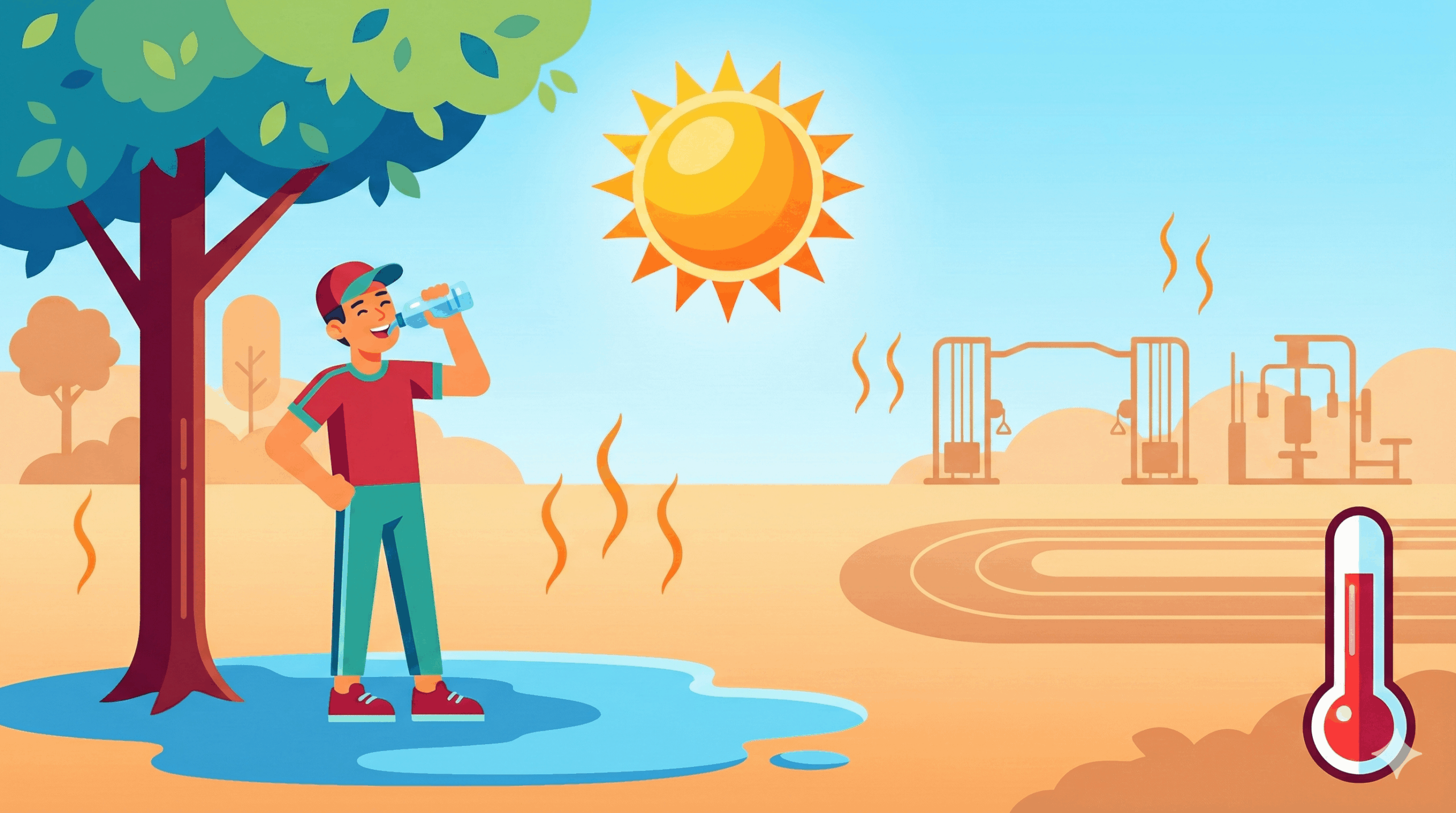
It’s a beautiful 95-degree Saturday afternoon. You’re at your daughter’s soccer tournament, cheering from the sidelines. Midway through the second half, one of the players starts stumbling. The coach waves it off—”She’s just tired.” Two minutes later, she collapses.
This scene plays out hundreds of times every summer across America, and it’s almost always preventable.
Heat-related illnesses send thousands of people to emergency rooms each year, and they can escalate from mild discomfort to a life-threatening emergency in minutes. The difference between a close call and a tragedy often comes down to one thing: recognizing the warning signs early and acting fast.
Understanding Heat-Related Illness: A Dangerous Progression
Heat-related illness exists on a spectrum, and understanding this progression is critical:
Heat Cramps → Heat Exhaustion → Heat Stroke
Each stage is more serious than the last, but here’s what many people don’t realize: you can skip stages. Someone can go from seemingly fine to heat stroke without obvious warning signs.
Dehydration: The Foundation of Heat Illness
Before we dive into heat exhaustion specifically, let’s talk about dehydration—the underlying factor in most heat-related emergencies.
How Dehydration Happens
Your body loses water through:
- Sweating (increased dramatically in heat)
- Breathing (you lose moisture with every exhale)
- Urination
- Physical activity
On a hot summer day, you can lose 1-2 liters of fluid per hour through sweating alone. If you’re not replacing that fluid, you’re heading toward trouble.
Early Warning Signs of Dehydration
Mild Dehydration (1-2% body weight loss):
- Thirst
- Decreased urine output
- Darker yellow urine
- Dry lips and mouth
Moderate Dehydration (3-5% body weight loss):
- Headache
- Dizziness when standing
- Fatigue
- Decreased performance
- Irritability
Severe Dehydration (6%+ body weight loss):
- Rapid heartbeat
- Rapid breathing
- Sunken eyes
- Confusion
- Loss of consciousness
Critical Point: By the time you feel thirsty, you’re already dehydrated. Thirst is a late indicator, not an early warning system.
Heat Exhaustion: Recognition and Response
Heat exhaustion is your body saying, “I can’t keep up with this heat anymore.” It’s serious, but it’s also treatable—if you catch it in time.
Recognizing Heat Exhaustion
Physical Signs:
- Heavy sweating (this is key—they’re still sweating)
- Pale, cool, clammy skin
- Weak, rapid pulse
- Nausea or vomiting
- Muscle cramps
- Fatigue and weakness
- Dizziness
Mental/Behavioral Signs:
- Headache
- Confusion or irritability
- Difficulty concentrating
- Coordination problems
The Patient May Say:
- “I feel dizzy.”
- “I think I’m going to throw up.”
- “Everything’s spinning.”
- “I need to sit down.”
Immediate Treatment for Heat Exhaustion
Step 1: Move to a Cool Environment. Get the person out of the heat immediately—an air-conditioned building, shade, anywhere cooler.
Step 2: Position Properly Have them lie down with feet slightly elevated (unless vomiting).
Step 3: Cool the Body
- Remove excess clothing
- Apply cool, wet cloths to the neck, armpits, and groin
- Fan the person
- If available, spray with cool water
Step 4: Hydrate
- Give cool water or sports drinks
- Small sips, not gulps
- About 4 ounces every 15 minutes
Step 5: Monitor Closely. Watch for improvement within 30 minutes. If symptoms worsen or don’t improve, call 911—this may be progressing to heat stroke.
Heat Stroke: The Medical Emergency
Heat stroke occurs when heat exhaustion becomes life-threatening. The body’s cooling system fails.
Critical Differences
Heat Exhaustion:
- Still sweating
- Skin is cool and clammy
- Temperature may be slightly elevated
Heat Stroke:
- May stop sweating (skin hot and dry)
- Skin red and hot
- Temperature 104°F or higher
- Altered mental state, confusion, seizures
- Loss of consciousness
Heat stroke is a medical emergency. Call 911 immediately and begin cooling while waiting for EMS.
High-Risk Groups
Some people are more vulnerable to heat illness:
Children and Infants:
- Smaller bodies heat up faster
- May not recognize thirst or communicate needs
- More susceptible to rapid dehydration
Older Adults:
- Reduced ability to regulate temperature
- May take medications that impair heat response
- May have chronic conditions affecting hydration
Athletes and Outdoor Workers:
- High exertion increases heat production
- May push through early warning signs
- Pressure to perform can override safety
People with Chronic Conditions:
- Heart disease, obesity, and diabetes increase risk
- Certain medications (diuretics, beta-blockers) affect the heat response
Prevention: Your Best Defense
Hydration Strategy
Before Activity:
- Drink 16-20 ounces 2-3 hours before
- Another 8 ounces 20-30 minutes before
During Activity:
- 7-10 ounces every 10-20 minutes
- Sports drinks for activities over 60 minutes
After Activity:
- 16-24 ounces for every pound lost during activity
Pro Tip: Weigh yourself before and after outdoor activities. Each pound lost represents about 16 ounces of fluid deficit.
Smart Heat Safety Practices
- Time it Right: Schedule outdoor activities during cooler parts of the day (before 10 AM, after 6 PM)
- Dress Appropriately: Light-colored, loose-fitting, moisture-wicking clothing
- Take Breaks: Rest in shade or air conditioning every 30-45 minutes
- Acclimatize: Gradually increase heat exposure over 7-14 days
- Never Leave Anyone in a Hot Car: The Temperature inside a car can reach 140°F in minutes
Warning Signs to Stop Activity
- Decreased performance
- Feeling dizzy or lightheaded
- Headache
- Nausea
- Goosebumps in the heat (seriously—this is a red flag)
- Confusion or irritability
When in doubt, sit it out. No game, practice, or job is worth heat stroke.
Special Considerations for Children
Kids don’t always communicate how they’re feeling. Watch for:
- Decreased activity or playfulness
- Flushed face
- Crying or irritability
- Vomiting
Never let children “tough it out” in the heat. Their bodies are less efficient at temperature regulation.
Creating a Heat Safety Plan
Whether you’re coaching youth sports, managing outdoor workers, or just planning family activities:
- Designate a Safety Monitor: Someone specifically watching for heat illness signs
- Establish Break Schedule: Mandatory rest and hydration breaks
- Know Emergency Protocol: Who calls 911? Where’s the nearest cool space?
- Stock Supplies: Water, sports drinks, ice, fans, first aid kit
- Check Weather: Monitor heat index, not just temperature
The Bottom Line
Heat exhaustion and heat stroke are preventable, recognizable, and treatable—if you know what to look for and act quickly.
The key is simple: hydrate proactively, recognize warning signs early, and never hesitate to stop activity and cool down.
Want to learn more about recognizing and responding to heat emergencies? Our First Aid and CPR courses cover heat-related illness, dehydration, and other common summer emergencies. Get the knowledge and confidence to keep your family safe all summer long.
Ready to prepare for summer safety? Check our course calendar or call (707) 688-5300 to schedule your First Aid training today. Because prevention and preparation beat panic every time.
Ready to Get Certified?
From individual CPR to full ACLS/PALS provider courses, we have the class for you. Reach out today to book your spot or inquire about our on-site training options.